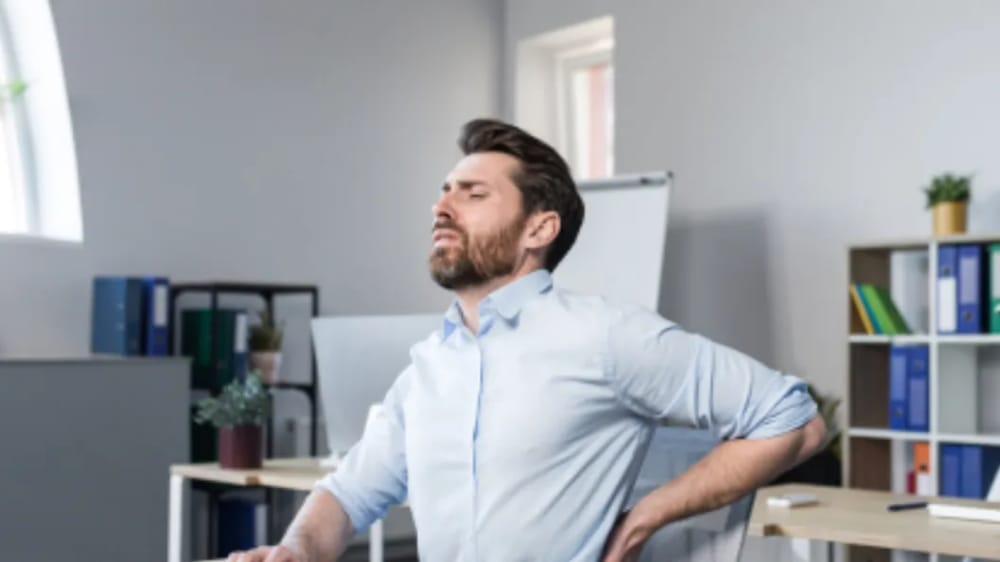
Your partner comes home, drops onto the couch, and says their back is killing them again. You want to help, you put your hands on their shoulders, and within thirty seconds you've run out of ideas — pressing harder, going in circles, hoping you're not making it worse. The instinct is good. You just need a plan.
Learning how to give a back massage that genuinely helps isn't about strength or special training. It's about a sensible order, a few reliable techniques, and knowing where not to press. Done well, even an amateur massage relaxes the muscles that tighten up around a stiff or aching back, and that relief is real — even if it's temporary. Here's how to do it so your hands last and your partner actually feels better.
What a massage does (and doesn't do)
Worth setting expectations first. A massage relaxes overworked muscles, boosts blood flow to the area, and quiets the nervous system enough that a tight back lets go a little. That feels great and it's genuinely useful for muscular tension and stress-related tightness.
What it doesn't do is fix a structural problem or a posture imbalance. If your partner's back tightens up every evening, the massage soothes the tight muscles, but they tighten again the next day because something is making them overwork. So treat this as relief and connection, not a cure — and watch for the red flags below before you start.
Set up so it actually works
The setup does half the job.
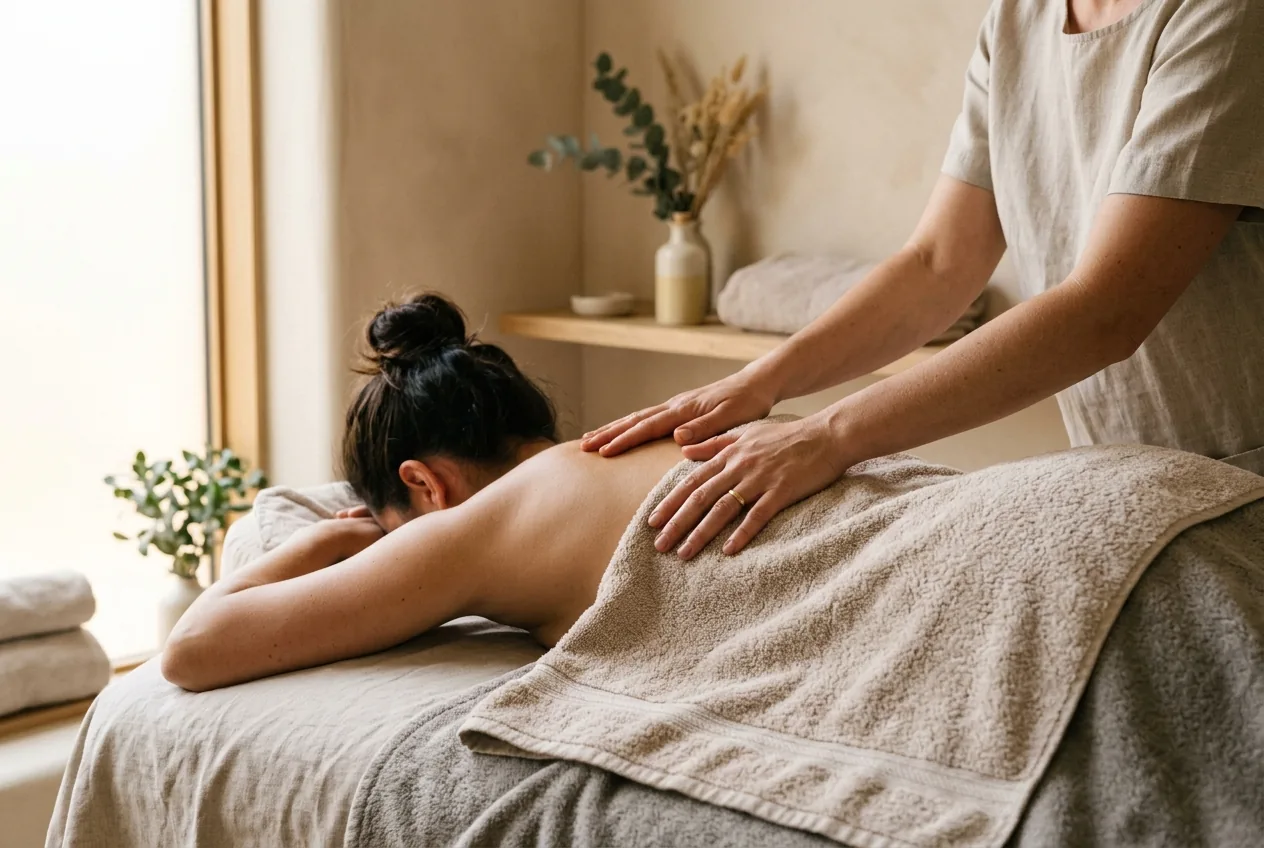
- Get them comfortable and warm. Face-down on a firm bed or a mat on the floor, arms relaxed at their sides or overhead, a thin pillow under the chest or forehead so the neck isn't cranked. A cold, tense person can't relax into anything.
- Use oil or lotion. A little massage oil or unscented lotion lets your hands glide instead of dragging the skin. Warm it in your palms first.
- Protect your own hands. Use your body weight leaning in, not just finger strength, and keep your wrists straight. Lean from your hips rather than gripping with your fingertips, and you'll last far longer.
- Ask about pressure, and keep asking. "More or less?" early on saves both of you. Good pressure feels like a satisfying ache that releases, never a sharp or bracing pain.
The techniques, in the order to use them
Work from light to deeper, then back to light. Warming the muscles before you dig in is what stops it feeling like an assault.
- Gliding (effleurage) to warm up. Flat hands, long slow strokes up either side of the spine from the lower back to the shoulders, then lighter back down. Spend a couple of minutes here. This spreads the oil and tells the muscles to relax.
- Kneading (petrissage). Use your thumbs and the heels of your hands to squeeze and roll the meatier muscles beside the spine and across the tops of the shoulders, like working dough. This is where tight muscles start to give.
- Thumb circles along the spine. With your thumbs on either side of the spine — never directly on the bony spine itself — make slow, firm circles, working up from the lower back. Pause and hold gentle pressure on any tight knots for ten to twenty seconds rather than grinding at them.
- Shoulder and neck attention. A huge amount of tension lives in the tops of the shoulders and base of the neck. Squeeze the muscle that runs from neck to shoulder between your fingers and thumb, slowly. This is the spot that maps onto the tension people carry from desk work and rounded shoulders — there's more on why in the best massage for lower back pain, which covers the lower-back equivalent.
- Finish with light gliding. Slow, light strokes to wind down, gradually lifting your hands away.
Keep your thumbs and pressure on the muscles either side of the spine, never on the spine itself.
What to avoid
A few rules keep this safe and pleasant.
- Never press directly on the spine. Work the muscles on either side, not the bony ridge down the middle.
- Stay off the lower back's soft flank and the kidneys. Heavy pressure low and to the sides isn't necessary and isn't comfortable.
- Don't dig into a sharp pain. If something is genuinely painful — not the good ache — back off. You can't force a muscle to release, and pain makes it guard harder.
- Skip it during a fresh acute flare. If they've just thrown their back out, deep massage on the spasming area can aggravate it. Light, gentle work only, if at all.
- Heat helps it land. A warm shower or a heat pack beforehand loosens the muscles so your hands do less work. The simple guidance on when warmth helps is in heat or ice for back pain.
When a massage is the wrong call
Skip the massage and suggest they see a clinician if the pain came on after a fall or injury, if there's numbness, tingling, or weakness running into an arm or leg, if there's a fever, unexplained weight loss, or pain that's severe or steadily worsening, or if they're pregnant and unsure what's safe. Any numbness in the saddle area between the legs or loss of bladder or bowel control is an emergency. A massage soothes muscle tension; it's not the answer for those signals.
Why the tightness keeps coming back
Here's the thing you'll both notice. You give a great massage, they feel loose and grateful, and a day or two later the same shoulders and lower back are tight again. That's not a failure of your technique. It's the pattern under the symptom: muscles that overwork to compensate for a posture imbalance tighten right back up once they're put back to their day job of holding a misaligned body together.
That's why massage feels so good but never quite settles it. The tight muscles are doing overtime for a reason. Knowing which muscles have switched off and which are picking up the slack is what lets you ease the load rather than just rubbing out the symptom each evening. A posture-based approach to chronic back pain measures those specific deviations and builds a daily routine to rebalance them, so the same knots stop reforming.
For tonight, though: warm them up, glide first, knead the meat of the muscles, stay off the spine, and ask about pressure as you go. Your partner gets real relief, and you've got a plan instead of guesswork.
Common questions
How do you give a good back massage at home?
Get your partner warm and face-down on a firm surface with oil on your hands, then work from light to deep and back. Start with long gliding strokes to warm the muscles, move to kneading the meatier areas, do slow thumb circles beside the spine, give the shoulders and neck extra attention, and finish light. Use your body weight, not finger strength.
Where should you not press during a back massage?
Never press directly on the bony spine — work the muscles on either side instead. Go easy on the lower flanks over the kidneys, and don't dig into any sharp pain, only the good releasing ache. Avoid deep work on an area that's in a fresh acute spasm, where light, gentle strokes are the most you should attempt.
How hard should you press during a back massage?
Firm enough to feel a satisfying ache that releases, never a sharp or bracing pain. Ask "more or less?" early and keep checking, since the right pressure varies a lot between people and between muscles. Lean in with your body weight rather than jabbing with fingertips, which gives steadier pressure and saves your hands.
Why does my partner's back get tight again so quickly after a massage?
Because the massage relaxes muscles that are overworking to compensate for a posture imbalance — once they go back to holding a misaligned body, they tighten up again. The relief is real but temporary. Addressing why those muscles are overworking, rather than just rubbing them out each evening, is what makes the tightness ease for good.