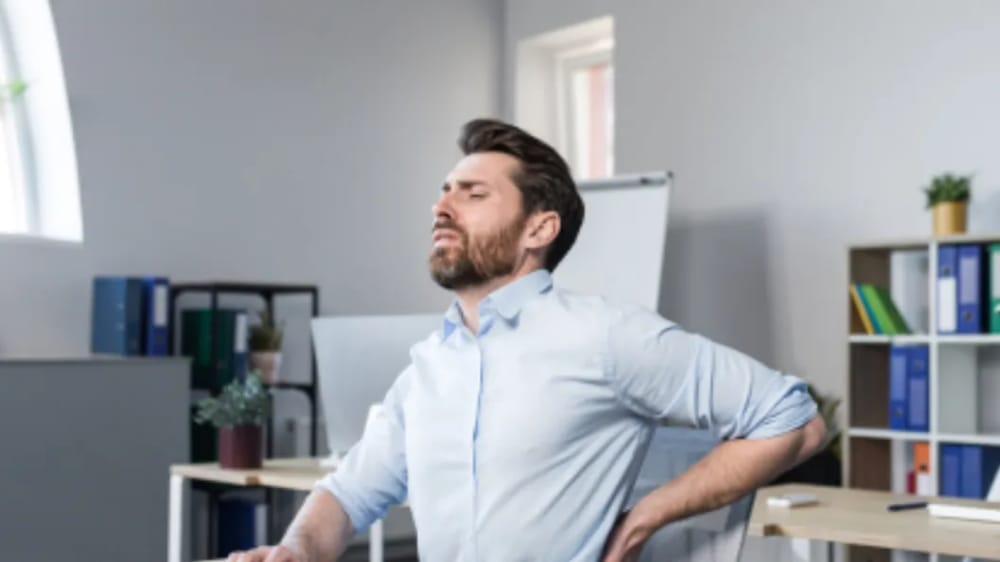
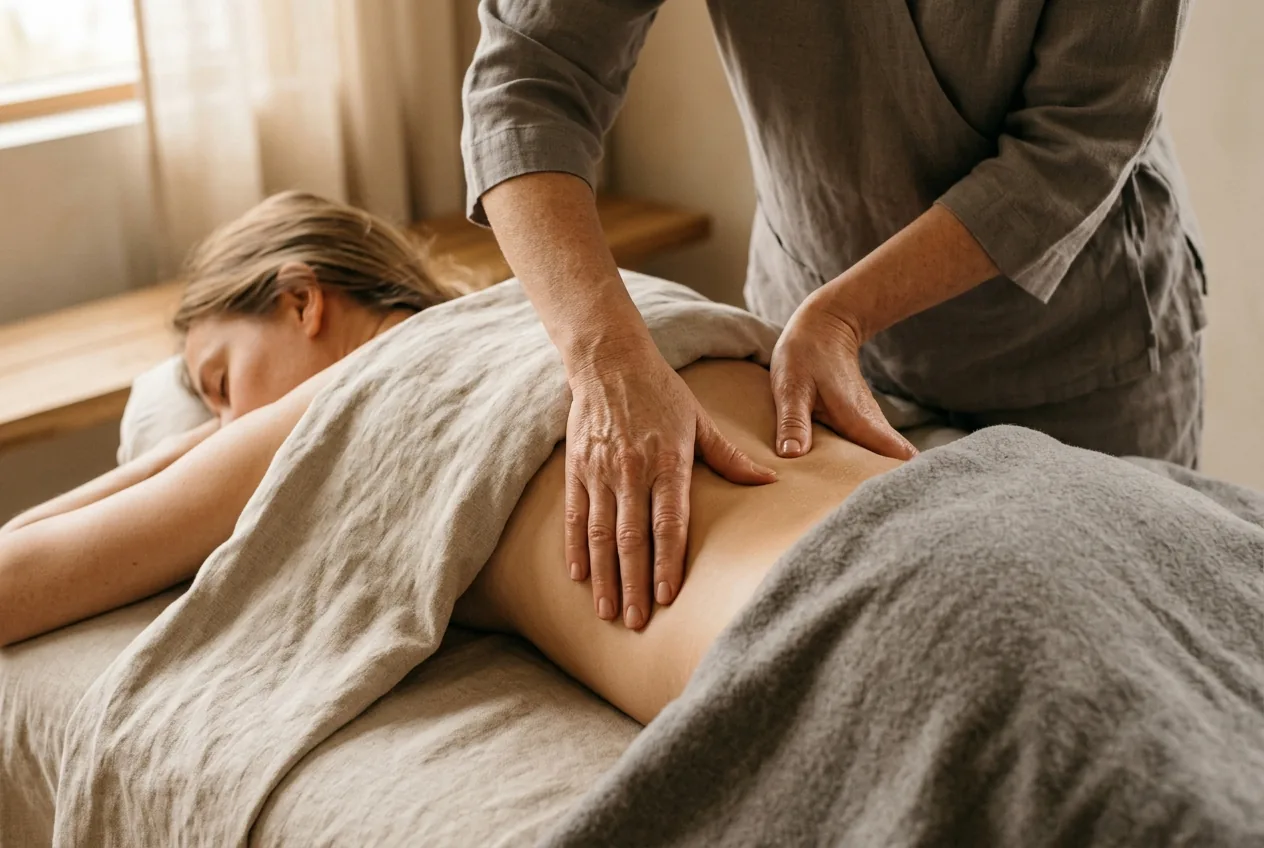
After a rough week, the idea of someone working the knots out of your lower back sounds like exactly what you need — and often it is, for a day or two. Then the tightness creeps back, and you're left wondering whether you picked the wrong kind, or whether massage just isn't the answer. The best massage for lower back pain depends a lot on what's actually causing your pain, and on being honest about what a massage can and can't do.
Here's the useful frame. Massage is very good at one thing: easing the tension and guarding in muscles that have been clenched and overworked. That's a real source of low back pain, and relieving it feels great. What massage doesn't do is change *why* those muscles were overworking in the first place — which is why the relief so often fades.
The main types, and what each is good for
Not all massage is the same, and the deep-and-painful kind isn't automatically the most effective.
Swedish (relaxation) massage
Long, flowing, moderate-pressure strokes that calm the nervous system and ease general muscle tension. If your lower back pain is tied up with stress and all-over tightness — and a lot of it is — this gentle style can do more than aggressive work. A relaxed nervous system lets clenched back muscles let go, and stress is a genuine driver of back pain for many people.
Deep tissue massage
Slower, firmer pressure aimed at deeper muscle layers and stubborn tension. Useful when you've got genuinely tight, ropey muscles in the lower back and hips. Effective doesn't mean it has to be agony, though — "more pain, more gain" is a myth, and a back that's already irritated can flare if the work is too aggressive.
Trigger-point therapy
Focused pressure on specific tight spots — the knots that refer pain elsewhere. Good when your pain traces to a few identifiable sore points rather than broad tightness. A tight glute or hip muscle pressing on things can mimic other problems, which is part of why sciatica and piriformis issues get confused.
Sports / myofascial styles
Techniques that work the muscle and the connective tissue around it, often with movement. Can help if tightness is limiting how you move, especially around the hips.
The best massage isn't the most painful one. It's the one matched to whether your problem is tension, knots, or stress.
How to choose for your situation
- Stress-driven, all-over tightness → start with Swedish/relaxation. Gentle often wins here.
- Specific tight, ropey muscles in the lower back and hips → deep tissue, kept firm but not brutal.
- A few identifiable sore knots → trigger-point work on those spots.
- Tightness limiting movement → a sports or myofascial style that includes some movement.
Whatever the style, the muscles most worth addressing for a sore lower back often aren't the lower back itself but the hips and glutes around it. Tight hip flexors and an overworked lower back frequently travel together, and easing the hips can do more than kneading the spine directly.
What massage can and can't do
Be clear-eyed about the ceiling.
- It can relieve muscle tension and guarding, calm a stressed nervous system, improve how an area feels, and make it easier to move and exercise afterward.
- It can't strengthen weak muscles, change how you load your spine all day, or correct a postural imbalance. Those need active work, not hands-on treatment.
This is the same ceiling every passive treatment hits, including chiropractic adjustment. Lying there receiving treatment can ease symptoms, but it doesn't build the strength and movement habits that keep a back well. Massage is at its best as a window of relief you then use to get moving — not as the whole plan.
How to get the most from it
- Tell the therapist what's going on, including any nerve symptoms, so they can adapt and avoid aggravating it.
- Speak up about pressure. It should feel like productive release, not bracing through pain. Flinching and clenching is counterproductive.
- Use the relief as a launchpad. A loosened back is a good moment to walk and do gentle strengthening, which is what actually moves the needle.
- Don't rely on it indefinitely. If you need a massage every week just to function, the cause hasn't been addressed.
When to see a doctor
Massage suits ordinary muscular tightness and ache. See a clinician before booking if you have numbness, tingling, or weakness running down a leg, a foot that catches when you walk, or back pain after a fall or accident. Seek urgent care for any loss of bladder or bowel control, or numbness in the saddle area between the legs — uncommon, but an emergency. Also get assessed for pain that's severe, steadily worsening, or paired with fever or unexplained weight loss. Deep massage isn't appropriate for every back, and these signs need evaluation first.
Why the tightness keeps coming back
Here's the pattern behind the fading relief. Muscles don't clench at random. They overwork to compensate for something — usually a postural imbalance where some muscles have switched off and others are covering for them. Massage relaxes the overworked ones, which feels wonderful, but the moment you go back to your day, the same imbalance puts them right back to work. By next week they're tight again, and you book another session.
That loop only breaks when the imbalance does. Knowing your own pattern — which muscles have switched off, which are overworking, where the strain concentrates — lets you address the cause instead of repeatedly relaxing the symptom. A posture-based approach to chronic back pain measures those specific deviations and builds a daily routine to rebalance the load, so the muscles aren't forced back into overwork the moment the massage ends.
The best massage for lower back pain is the one matched to your problem and used as part of a plan. Nothing here is medical advice. But if you've been chasing relief on the massage table for months without lasting change, the missing piece is the active, cause-level work — and that's where the durable progress comes from.
Common questions
What type of massage is best for lower back pain?
It depends on the cause. Swedish/relaxation massage suits stress-driven, all-over tightness; deep tissue suits genuinely tight, ropey muscles; trigger-point therapy suits a few identifiable sore knots. The most painful style isn't automatically the most effective — matching the technique to your problem matters more than pressure.
Is deep tissue massage good for lower back pain?
It can help when you have stubborn, tight muscles in the lower back and hips, but it doesn't need to be agonizing to work. "More pain, more gain" is a myth, and aggressive work on an already-irritated back can flare it. Firm-but-tolerable pressure is the aim.
Does massage actually fix back pain or just relieve it?
Mostly it relieves it. Massage eases muscle tension and guarding and calms a stressed nervous system, which feels genuinely good, but it can't strengthen weak muscles or change how you load your spine all day. The relief often fades because the underlying imbalance that overworked those muscles is still there.
How often should I get a massage for back pain?
As an occasional tool to settle tension and create a window for movement, it's useful. But if you need a weekly massage just to function, the cause hasn't been addressed. Use the relief to get walking and start gentle strengthening, which is what produces lasting change rather than repeated passive treatment.