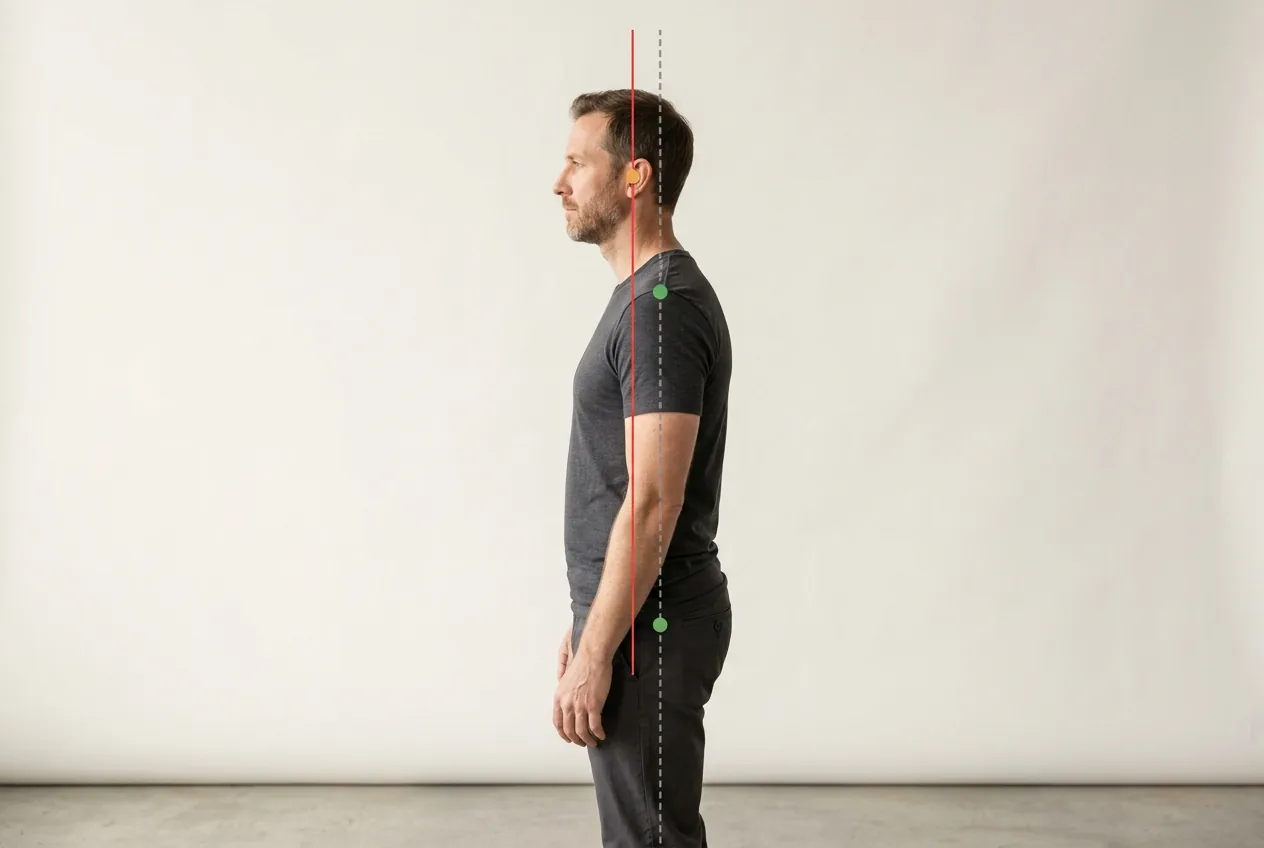

Text neck symptoms: could they be causing your headaches?
Do you find yourself experiencing occasional neck pain and pounding headaches, especially behind your eyes? These are common text neck symptoms, and the screen in your hand might be the culprit. Physiopedia defines text neck as "an overuse syndrome resulting from excessive strain on the neck due to prolonged periods of looking down at handheld mobile devices." This strain can lead to headaches, neck discomfort, shoulder and arm pain, and even breathing difficulties.
You may have heard of text neck or forward head posture before, but what can you do about it? Is it realistic to hold your phone at eye level every time you use it? Thankfully, there's a practical solution.
The 20-Second Text Neck Test
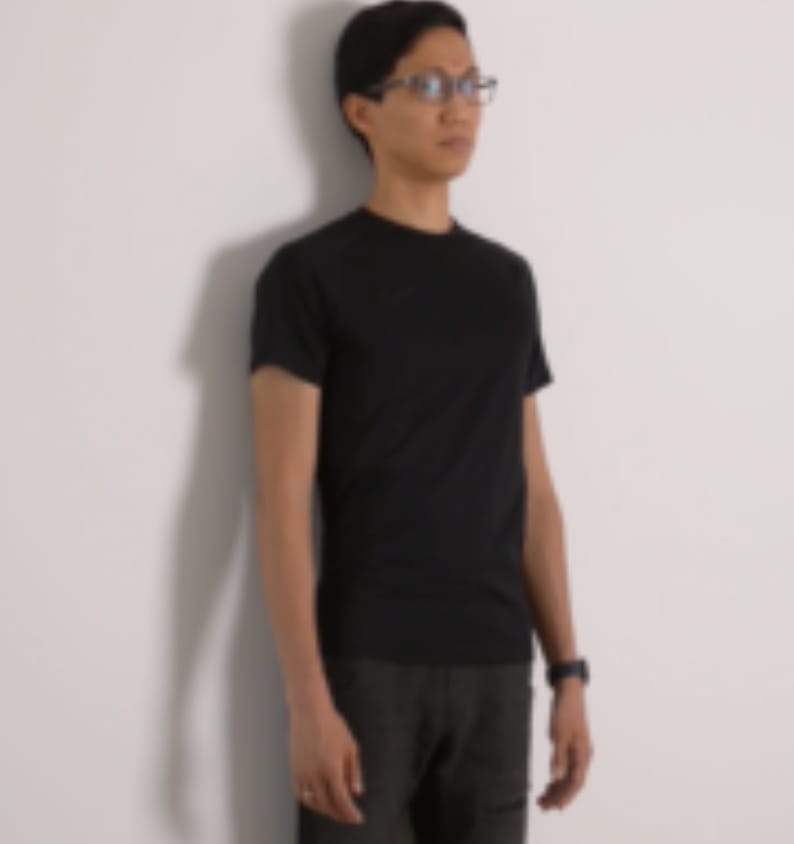
Take a quick 20-second test to determine if you have forward head or text neck posture. Find an empty wall or door and follow these steps:
- Stand with your heels against the wall and allow your body to relax against it.
- Notice if your shoulders and head naturally rest against the wall or if you need to push your head forward to reach it.
- Avoid forcing your head; just observe its position.
What to Do if You Have Forward Head or Text Neck
If your head isn't touching the wall easily during the test, it's likely that your head, neck, and/or shoulder pain stem from forward head posture, the same pattern text neck describes — and the same one people sometimes call nerd neck or tech neck. It often travels with rounded shoulders, so it's worth checking both. When the strain settles in as pain at the base of the skull, that's usually the overworked muscles holding your head up.
How to Correct Text Neck
You might consider lifting your phone to eye level when using it or changing your phone habits, but these solutions may not be sustainable. Luckily, there's a simpler answer: correcting your forward head position while still being able to use your phone comfortably.
The body responds well to 'reverse' stimulus to maintain the correct position. A few gentle exercises against a wall can remind your head and neck to stay upright, even with regular phone usage.
Taking Action Against Text Neck
The key takeaway is to take action against text neck. Spending just 5 minutes a day to address your head position can prevent worsening pain and irreversible damage over time. Without intervention, gravity will continue to pull your head and neck forward, exacerbating the issue.
Try This Exercise:
Static Extension
- Start on your hands and knees.
- Make sure your knees are directly underneath your hips and your wrists are under your shoulders.
- Move your hands about 6 inches forward and then move your upper body forward so that your shoulders are above your hands.
- Your hips are now forward of your knees about 6 inches.
- Keep your elbows straight and allow your shoulder blades to collapse together while your low back arches.
- Drop your head.
- Your low back arches because your hips roll forward to allow this movement to occur.
- Your shoulders are directly above your wrists.
- HOLD this position for 2 minutes.
- If your low back begins to hurt, back your hips up toward your knees. This will make the exercise a bit easier.
- Bring your shoulder blades together.
- Relax your lower and upper back.
- Let your head hang.
This exercise promotes lumbar and thoracic extension through bilateral hip demand.
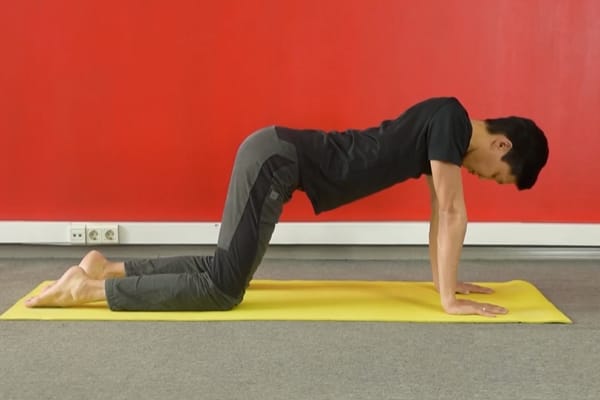
Postureletics recommends this exercise to realign your head over your shoulders and correct text neck. If daily exercise alone isn't sufficient, consider a customized posture program to expedite your progress, available at Postureletics.
Don't let text neck dictate your quality of life. Invest a few minutes daily now to avoid years of pain and medical expenses down the road.
Common questions
What are the main text neck symptoms?
The usual signs are aching or stiffness at the base of the neck and upper shoulders, headaches that sit behind the eyes or at the back of the skull, and tightness that builds the longer you look down at a screen. Some people also notice tension between the shoulder blades or a head that sits forward of the shoulders.
Is text neck the same as forward head posture?
Text neck is a everyday name for the forward head posture pattern that develops from looking down at phones and tablets. The mechanics are the same: the head drifts forward and the muscles at the back of the neck overwork to hold it up.
Can text neck symptoms go away on their own?
Mild tension often eases when you change positions and take breaks from your phone. But if the head-forward habit continues, the pattern tends to settle in, which is why a short daily routine that retrains head position usually helps more than waiting it out.
How do I check for text neck at home?
Stand with your heels, hips, and upper back against a wall and relax. If your head rests against the wall naturally, your alignment is close to neutral. If you have to push your head back to touch it, that gap is a sign of the forward head pattern behind text neck.