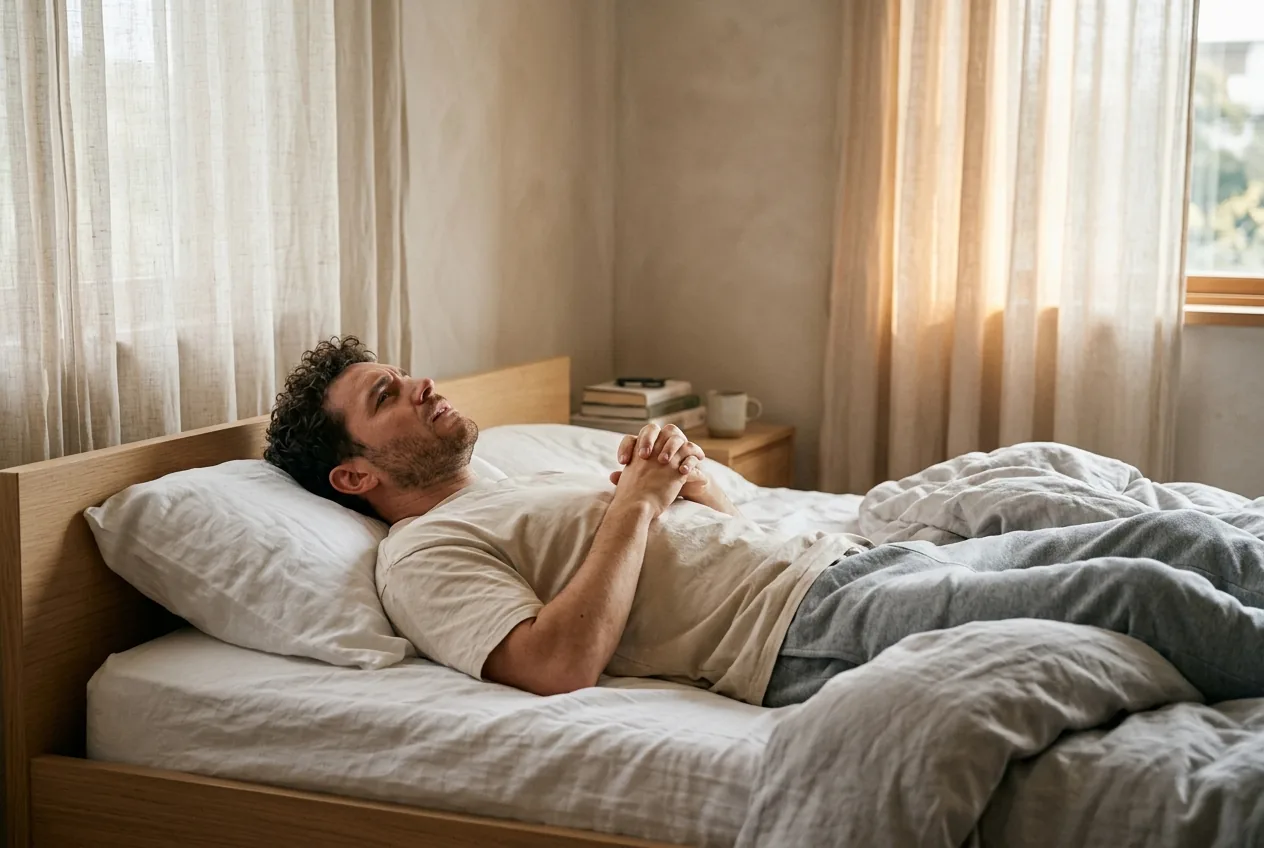

Your back's been aching, someone told you to "just keep moving," and now you're standing in the hallway wondering whether a walk will loosen things up or make it worse. Is walking good for back pain? For most ordinary, non-traumatic back pain, the answer is yes, and it's one of the simplest, safest things you can do. But how you walk, and why your back hurts in the first place, both matter.
Walking isn't a cure. It's a low-risk way to keep the back moving, take pressure off, and break the cycle where pain makes you stiff and stiffness makes more pain.
Why walking usually helps
For years the advice for a sore back was rest. We now know that, for most non-traumatic pain, gentle movement beats lying still, and walking is about the gentlest movement there is.
A few things happen when you walk. The rhythmic motion pumps blood and fluid through the discs and muscles of the lower back, which is how they get nourished, they have no great blood supply of their own and rely on movement. Walking also keeps the hips and spine from stiffening into the guarded, braced posture that pain pulls you into. And it gently engages the glutes and deep core, the muscles that should be supporting your lower back but often go quiet, especially if you sit all day.
There's a mental side too. Staying active, within comfort, stops the fear spiral where every twinge convinces you to move less, which makes the back weaker and more sensitive. That spiral is a big part of why some back pain lingers, as why back pain keeps coming back explains.
So walking helps by feeding the tissues, keeping you mobile, waking the support muscles, and keeping you confident.
How to walk for a sore back
Doing it well makes the difference between relief and aggravation.
- Start short and frequent. A few 10-minute walks beat one long forced march, especially early on. Build up as it eases.
- Walk tall. Stack ears over shoulders over hips, eyes up, rather than shuffling along hunched and braced. Walking folded forward over your phone undoes much of the benefit.
- Find a comfortable pace. Brisk enough to get moving, slow enough that you're not bracing. Pain that stays steady or eases as you go is fine; pain that climbs sharply is a signal to stop.
- Pick a forgiving surface. Flat ground or a slight incline to start. Steep downhills and hard cambers load the back more.
- Wear supportive shoes. Cushioning absorbs impact that flat, worn soles pass straight to your spine.
Several short, upright walks a day do more for a sore back than one long hunched one.
When walking doesn't help, and what it means
Walking isn't right for every back, and which way it goes is a clue.
For some people, walking actually eases the pain while sitting makes it worse, a pattern common with disc-related irritation. For others, standing and walking are the problem and sitting brings relief, which can point toward the spine's canal narrowing, seen in spinal stenosis. And if walking sends pain or numbness shooting down a leg, that's nerve involvement like sciatica, worth getting assessed rather than walking through.
The direction matters because it hints at the mechanism. A back that prefers walking and a back that prefers sitting need different approaches. That's why "just keep moving" helps a lot of people but not everyone, and why blanket advice only goes so far.
If walking consistently makes your pain worse rather than better, that's information, not failure. It usually means the load or the pattern needs adjusting, not that movement is bad for you.
Pairing walking with the right support work
Walking keeps the back moving, but it doesn't directly strengthen the muscles that should be supporting it. Pairing regular walks with a little targeted work tends to do more than either alone. A gentle glute bridge and a hip flexor stretch wake up and loosen the muscles that go quiet from sitting, so walking has better support to build on. Going from a sedentary day straight to a brisk walk asks a lot of a cold back, so ease in.
When to see a doctor
Walking is low-risk for most back pain, but some symptoms need a professional before you press on. See a clinician promptly if you have numbness, tingling, or weakness spreading down a leg, any loss of bladder or bowel control, back pain after a fall or accident, fever with back pain, unexplained weight loss, or pain that's severe or steadily worsening. Walking won't fix any of those.
Why your answer might differ
Walking helps most backs, but whether it's the right first move for you depends on your pattern. A back that's flattened out, one that's over-arched, one with a cranky nerve, all respond differently to the same walk. The body is compensating around a specific imbalance, and walking lands on that imbalance differently for each person.
Knowing your own pattern tells you whether to lead with walking, pair it with specific work, or address something else first. A short posture assessment that reads your actual alignment shows which way your spine and pelvis sit, so the movement you choose actually fits your body instead of fighting it.
For now, if your pain is ordinary and not red-flagged, try a few short, upright walks today and notice how your back responds over the next hour. That response is the most useful piece of information you can gather.
Common questions
Is walking good for lower back pain?
For most ordinary, non-traumatic back pain, yes. Gentle, regular walking keeps the spine moving, feeds the tissues, and wakes the support muscles. Start short and upright, and build up as the pain eases.
How much should I walk with back pain?
Start with a few short walks, around 10 minutes each, several times a day, rather than one long march. Build the duration up gradually as your back tolerates it. Frequency and good posture matter more than distance.
Why does walking make my back pain worse?
If walking consistently worsens it, your pattern may not suit it, for example spinal canal narrowing that eases with sitting, or a nerve being irritated. That's a signal to adjust the approach or get assessed, not to give up on movement entirely.
Should I walk or rest with back pain?
For most non-traumatic pain, gentle movement like walking beats extended rest, which tends to stiffen and weaken the back. Stop and seek care if you have red flags like leg weakness, numbness, or loss of bladder or bowel control.